Peptides vs Amino Acids: How Plant Proteins Become the Building Blocks of Your Body
Peptides vs amino acids explained from seed to body: how plant proteins are digested, complete vs incomplete plant protein, and what bioactive plant peptides really show.
In brief
Peptides vs amino acids is a question of scale. Amino acids are single building blocks; peptides are short chains of them; proteins are long chains folded into working shapes. When you eat seeds, beans or grains, your body breaks their proteins into peptides and then amino acids to build its own proteins. Some peptides released from plant proteins show biological activity in laboratory studies, but evidence that they deliver health benefits in people is still limited.
Plants are remarkable protein factories. Every seed carries stored proteins to feed the young plant as it sprouts, and those same proteins nourish the people and animals who eat seeds, legumes and grains. If you have ever wondered how a lentil or a handful of hemp seeds becomes part of your own muscle, the answer runs through two key ideas: amino acids and peptides.
This guide explains the difference between peptides and amino acids from a plant and food perspective. We look at what each one is, how seed and legume proteins are broken down during digestion, what “complete” and “incomplete” protein really mean, what researchers have found about bioactive peptides from plant foods, and how to separate genuine science from marketing on botanical and supplement labels.
Peptides vs Amino Acids: The Basics
Amino acids are small organic molecules that serve as the building blocks of proteins. The human body uses 20 standard amino acids. Nine are considered essential, meaning we must get them from food: histidine, isoleucine, leucine, lysine, methionine, phenylalanine, threonine, tryptophan and valine. The rest our bodies can make.
Peptides are chains of amino acids joined by peptide bonds. A dipeptide has two amino acids, a tripeptide three, and longer chains up to roughly 50 amino acids are generally still called peptides.
Proteins are longer chains, often hundreds of amino acids, that fold into specific three-dimensional shapes to do their jobs.
The Peptides Blog’s explainer on where amino acids end and peptides and proteins begin covers these definitions in more chemical detail. For plant lovers, the important point is that the same 20 amino acids appear in plant proteins and animal proteins alike. What differs is the proportion of each.
The Nine Essential Amino Acids at a Glance
Each essential amino acid plays its own roles beyond simply being part of proteins. Leucine is closely linked with signalling muscle protein building. Lysine is important for collagen formation and is the amino acid most often in short supply in grain-based diets. Methionine supplies sulfur used in many molecules. Tryptophan is a precursor for serotonin and melatonin. Phenylalanine is a precursor for tyrosine, which in turn is used to make dopamine and thyroid hormones. Threonine is a component of mucins that help protect the gut lining. Histidine is a precursor for histamine. Isoleucine and valine, together with leucine, are the branched-chain amino acids used in muscle energy metabolism. Because the body cannot make these nine, a diet that regularly includes a range of protein sources is essential.
Amino Acids Beyond Building Proteins
Amino acids are not only building blocks. Some act as signals or precursors for other important molecules. Glutamate and glycine work as neurotransmitters. Arginine is used to make nitric oxide, which helps regulate blood vessels. Glutamine is a major fuel for cells lining the gut. Amino acids can also be used for energy or converted into glucose when needed. This versatility is one reason the body tightly regulates amino acid levels, and why getting them from a balanced diet is generally safer than taking large doses of single amino acids.
How Plants Store Protein
Seeds are packed with storage proteins that support germination. Legumes such as beans, lentils, peas and soybeans are especially protein-rich. Cereal grains such as wheat, rice, oats and barley contain their own storage proteins, which make up a smaller share of the grain. Nuts and seeds, including almonds, pumpkin seeds, sunflower seeds, hemp and chia, also contribute protein along with healthy fats.
When a seed germinates, its own enzymes begin breaking these storage proteins into peptides and amino acids to fuel the growing seedling. Our digestive system does something similar when we eat the seed.
From Seed Protein to Amino Acids in Your Body
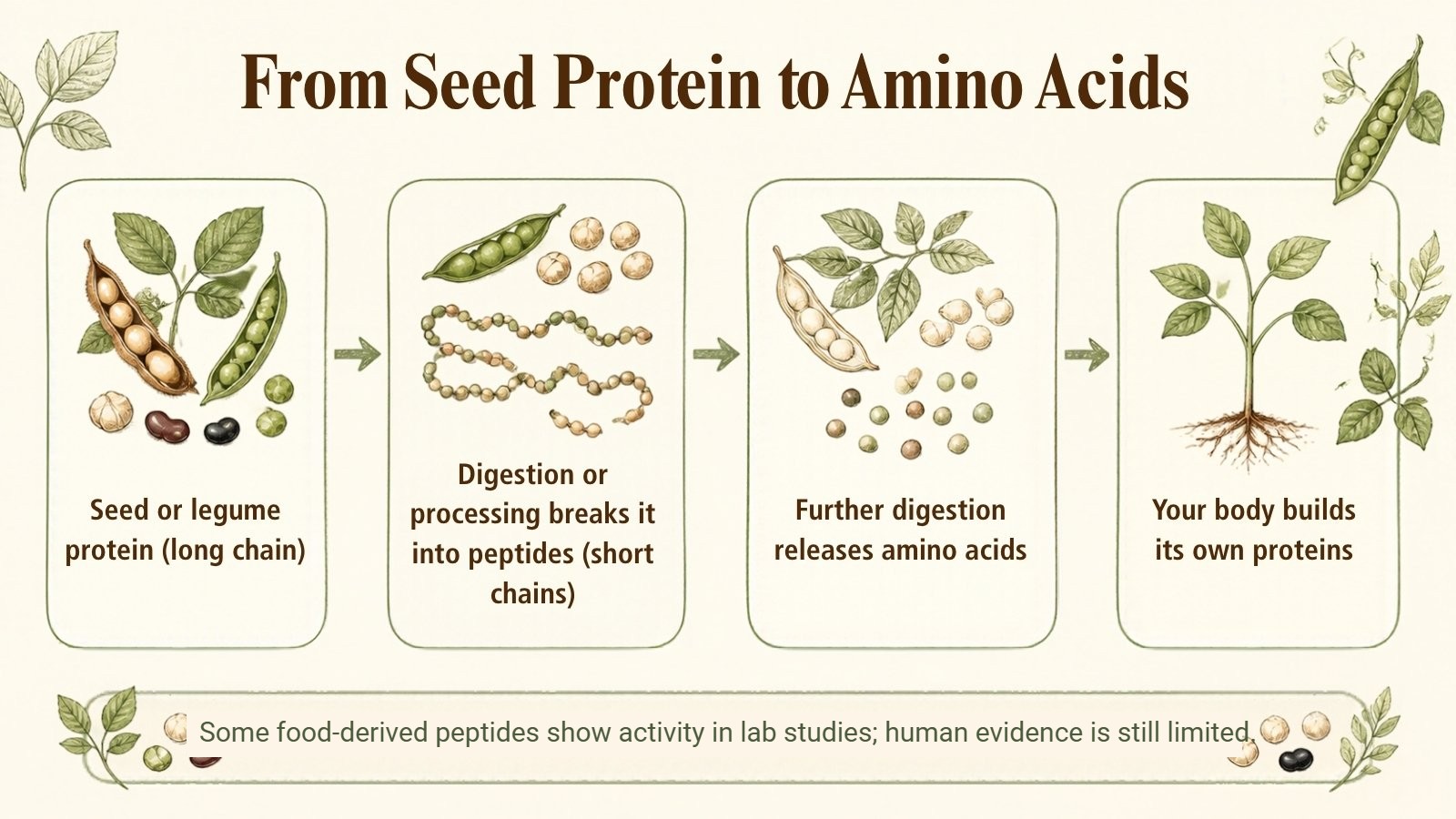
Digestion of protein begins in the stomach, where acid and the enzyme pepsin start cutting long protein chains into shorter peptides. In the small intestine, pancreatic enzymes and enzymes on the intestinal lining continue the work, producing free amino acids and very small peptides of two or three amino acids. These are absorbed into the bloodstream and carried around the body.
Your cells then reassemble those amino acids into the proteins your body needs: muscle fibres, enzymes, hormones, antibodies, transport proteins and more. In other words, a pea protein is not delivered intact to your muscles. It is dismantled into building blocks and rebuilt into human proteins.
Complete and Incomplete Plant Proteins
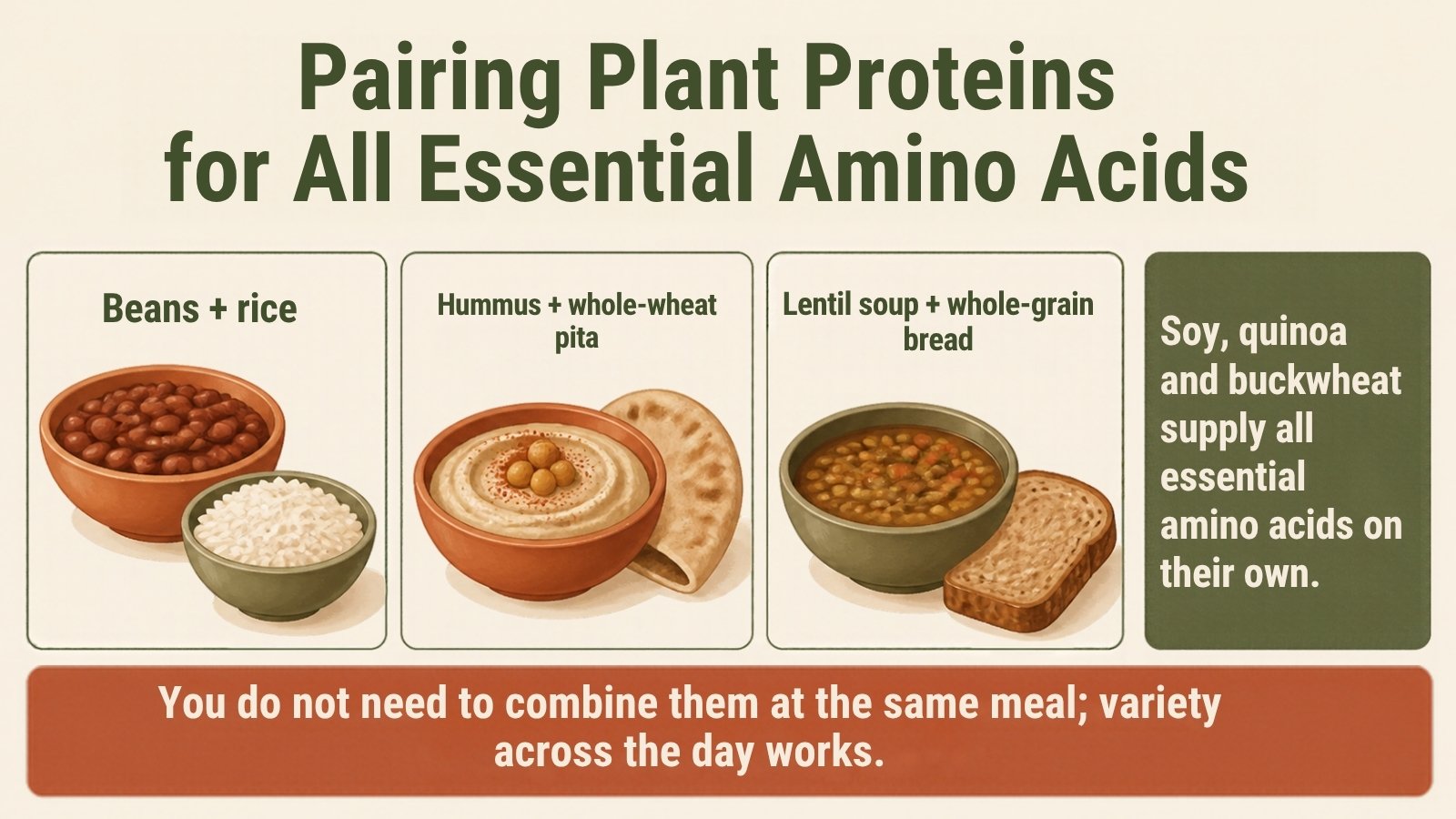
A “complete” protein contains all nine essential amino acids in useful proportions. Animal proteins are complete. Many plant proteins are lower in one or more essential amino acids. Grains, for example, tend to be lower in lysine, while legumes tend to be lower in the sulfur-containing amino acid methionine.
Some plant foods stand out as complete or close to it, including soy, quinoa and buckwheat. And the good news for plant-based eaters is that combining foods across the day easily fills any gaps. This video explains why the old idea that you must carefully combine proteins at every meal has been largely retired:
To check the protein content of specific foods, the U.S. Department of Agriculture’s FoodData Central nutrient database lists protein and, for many foods, individual amino acid amounts. It is a free and reliable way to compare seeds, legumes and grains.
Plant Protein Sources Compared
| Food group | Examples | Typical limiting amino acid | Good partner |
|---|---|---|---|
| Legumes | Lentils, beans, chickpeas, peas | Methionine | Grains, nuts, seeds |
| Cereal grains | Wheat, rice, oats, corn | Lysine | Legumes |
| Nuts and seeds | Almonds, pumpkin, sunflower, hemp | Often lysine | Legumes |
| Soy foods | Tofu, tempeh, edamame | Generally complete | Any |
| Pseudo-grains | Quinoa, buckwheat | Generally complete | Any |
Bioactive Peptides From Plant Foods
Here is where peptides become more than just a step in digestion. When plant proteins are broken down by digestion, fermentation or food processing, some of the resulting peptides have been found to show biological activity in laboratory experiments. Researchers call these bioactive peptides.
A broad 2022 review in Frontiers in Nutrition describing bioactive peptides from food proteins and by-products catalogues peptides from plant, animal, marine and dairy sources and the activities reported for them, including antioxidant, blood-pressure-related and antimicrobial effects in experimental settings.
The key caution is the distance between a lab finding and a proven benefit for people. A 2026 review in the journal Nutrients on plant protein-derived bioactive peptides and functional foods examined exactly this gap. Its authors noted that interest is high, but that evidence moving from computer predictions and isolated laboratory activity to digestion-aware, real-world human results is still limited. Peptides that look active in a test tube may be broken down further in the gut, absorbed poorly, or lose activity once they are part of a real food.
The Peptides Blog’s guide to telling laboratory, animal and human peptide evidence apart is a helpful companion when you encounter these claims.
Digestibility and Plant Compounds That Affect It
Not all protein is digested equally. Plant foods contain fibre and compounds such as phytates, tannins, protease inhibitors and lectins that can modestly reduce protein digestibility, particularly when foods are eaten raw. Soaking, sprouting, fermenting and thorough cooking reduce many of these effects. That is one reason traditional preparations of legumes and grains, from soaked beans to sourdough bread to tempeh, remain such good choices. Researchers often use digestibility-corrected scores to compare protein quality between foods, and well-prepared legumes, soy and grains all contribute meaningfully to amino acid needs.
Peptides Plants Make for Themselves
Plants do not only store proteins; they also produce their own peptides as part of their biology. Some act as signals that coordinate growth and development, while others are part of the plant’s defence against microbes and insects. These naturally occurring plant peptides are an active area of botanical research. They are distinct from the food-derived peptides released when we digest plant proteins, and claims that eating particular plants delivers specific plant peptides to human tissues should be treated cautiously unless backed by human studies.
Free Amino Acid Supplements vs Whole Foods
Supplement shelves offer free-form amino acids, such as branched-chain amino acids (leucine, isoleucine and valine), single amino acids such as glutamine or arginine, and blends of essential amino acids. These are absorbed quickly because they need no digestion.
For most people who eat enough total protein from varied foods, these supplements are rarely necessary. Whole plant foods supply amino acids along with fibre, vitamins, minerals and other plant compounds that isolated amino acids lack. Some specific clinical situations may call for specialised nutrition, but those decisions belong with a doctor or registered dietitian.
Reading Botanical and Supplement Labels
Peptide and amino acid language appears more and more often on botanical and wellness products. A few pointers help.
“Contains peptides.” Any protein hydrolysate contains peptides. This alone tells you nothing about a specific benefit.
“Bioactive peptides.” Ask which peptide, from which source, tested how. Laboratory activity is not the same as human benefit.
“Rich in amino acids.” All protein foods are rich in amino acids. Look at total protein per serving and its source.
Health claims. Food and supplement products cannot legally claim to treat or cure disease. Be wary of language that implies they do.
Confusion with research peptides. Food-derived peptides are very different from synthetic “research peptides” sold for injection. The Peptides Blog’s guide on reading peptide research with a critical eye shows how to avoid mixing up these categories.
How Much Protein Do Plant-Based Eaters Need?
The general adult Recommended Dietary Allowance is 0.8 grams of protein per kilogram of body weight per day. Plant proteins are, on average, slightly less digestible than animal proteins, and some sources are lower in particular amino acids, so people eating exclusively plant-based diets may benefit from aiming a little higher and eating a wide variety of protein sources. Active people, older adults and those recovering from illness may need more. A registered dietitian can help tailor targets to individual needs.
Protein Needs Across Life Stages
Protein needs change across life. Children and adolescents need protein to support growth. Pregnancy and breastfeeding raise needs. Older adults may benefit from slightly higher intakes and from spreading protein across meals, combined with strength training, to help maintain muscle. People recovering from illness or surgery may need more as well. Plant-based diets can meet needs at every stage when planned with care, and a registered dietitian can help, particularly for children, pregnant people and older adults following vegan diets.
Practical Ways to Get Quality Plant Protein
Build meals around a legume, soy food or whole grain. Add nuts or seeds to salads, porridge and stir-fries. Include tofu, tempeh or edamame several times a week. Try quinoa or buckwheat as easy alternatives to white rice. Snack on hummus with vegetables or whole-grain crackers between meals. Sprinkle hemp or pumpkin seeds on yogurt alternatives or soups. Variety across the day naturally covers the full range of essential amino acids without any special planning.
Protein Powders From Plants
Plant protein powders made from pea, soy, rice, hemp or blends are widely available. Many are protein isolates or concentrates; some are hydrolysed, meaning partly broken into peptides for easier mixing or faster digestion. Blends of pea and rice protein are popular because their amino acid profiles complement each other. When choosing one, check grams of protein per serving, the protein sources listed, added sugars and sweeteners, and whether the product has independent third-party testing for contents and contaminants such as heavy metals. Like any supplement, a powder is a convenience rather than a necessity for people who eat a varied diet.
A Simple Plant-Protein Day
To see how easily needs can be met, picture a day like this. Breakfast is oatmeal cooked with soy milk and topped with walnuts and hemp seeds. Lunch is a lentil and vegetable soup with whole-grain bread. An afternoon snack is hummus with carrot sticks. Dinner is a tofu and vegetable stir-fry over quinoa or brown rice. Across those meals, legumes, grains, soy, nuts and seeds work together to supply all nine essential amino acids, along with fibre, healthy fats and a wide range of vitamins and minerals. No special combining or supplements are required.
Processing, Fermentation and Plant Peptides
Traditional food processing has always changed plant proteins. Fermentation, as in tempeh, miso, natto and sourdough, uses microbes whose enzymes break proteins into smaller peptides and amino acids. Sprouting activates the seed’s own enzymes. Cooking unfolds proteins, making them easier to digest, and can reduce compounds such as certain protease inhibitors and lectins in raw legumes that interfere with digestion. These processes are one reason fermented and well-cooked legume foods are often easier to digest, and they are also where researchers look for naturally formed bioactive peptides.
Sustainability and Plant Protein
Interest in plant proteins is not only about health. Plant protein sources generally require fewer resources to produce than many animal proteins, and researchers are exploring how to use protein-rich by-products from food processing, such as oilseed cakes and bran, more fully. Both recent reviews cited above note that sustainability is a major driver of research into plant-derived peptides. For gardeners and botanical enthusiasts, this links the humble seed to some of the biggest questions in modern food systems.
Why the Distinction Matters for Everyday Choices
Understanding the difference between peptides and amino acids helps you make sense of nutrition labels and marketing. If a product boasts about peptides, you can ask whether that matters once digestion breaks most of them down. If a supplement promises a specific amino acid, you can compare it with the amounts already present in ordinary foods. And when you read about a bioactive peptide discovered in a laboratory, you can place it in context: interesting science that still needs human trials before it becomes practical advice. That small amount of biochemistry turns confusing claims into questions you can answer.
Common Myths About Peptides, Amino Acids and Plant Protein
“Plant protein is incomplete, so it’s inferior.” Individual plant foods may be low in certain amino acids, but a varied plant-based diet easily supplies all essential amino acids.
“You must combine proteins at every meal.” Combining across the day is sufficient for most people.
“Peptides are absorbed whole and go straight to work.” Most dietary peptides are broken down further during digestion; only very small ones are absorbed intact in meaningful amounts.
“Bioactive peptide supplements are proven to work.” Human evidence for most plant-derived bioactive peptides remains limited.
“Amino acid supplements are better than food.” For most people, whole foods provide amino acids plus many other nutrients that supplements lack. Large doses of single amino acids can also upset the balance between them, which is another reason food-first is the safer default.
Explore More Botanical Science
We share plant science and botanical education across our articles library, and you can read more about our editorial approach on the about Seed to Stem Botanicals page.
Bottom Line
In the peptides vs amino acids comparison, amino acids are the individual building blocks, peptides are short chains of them, and proteins are the long, folded chains plants store in their seeds. When you eat plant foods, digestion turns their proteins into peptides and amino acids that your body reassembles into its own proteins. Some food-derived peptides show interesting activity in the lab, but the leap to proven human health benefits has not yet been made for most of them. For now, the most reliable way to benefit from plant protein is simple: eat a varied diet built on legumes, whole grains, nuts and seeds.
For clear, sourced explanations of peptide science, explore peptide benefits and the research behind them at The Peptides Blog, a plain-language peptide science resource. It is an independent educational publication that does not sell peptides or supplements.
Frequently Asked Questions
What is the difference between peptides and amino acids?
Amino acids are single building-block molecules. Peptides are short chains of amino acids linked by peptide bonds, generally up to about 50 amino acids long.
Do plant foods contain all essential amino acids?
Collectively, yes. Some plant foods such as soy, quinoa and buckwheat are complete on their own, while others are lower in certain amino acids. A varied diet supplies all nine.
What are bioactive peptides from plants?
They are peptides released from plant proteins during digestion, fermentation or processing that show biological activity in laboratory studies. Evidence of health benefits in people is still limited.
Do I need to combine plant proteins at every meal?
No. Eating a variety of protein sources over the course of the day is generally enough to meet essential amino acid needs.
Are amino acid supplements better than plant protein foods?
For most people, whole foods are preferable because they provide amino acids along with fibre, vitamins and minerals. Supplements may have specific uses under professional guidance.
Where can I check the protein content of plant foods?
The USDA’s FoodData Central database lists protein and, for many foods, individual amino acid values.
Disclaimer
This article is for general educational purposes about plant science and nutrition. It is not medical or dietary advice and does not recommend any supplement, peptide or product. Botanical and dietary supplement products are not intended to diagnose, treat, cure or prevent any disease.
People with kidney disease, food allergies, metabolic disorders or other health conditions, and those who are pregnant or breastfeeding, should consult a doctor or registered dietitian before changing their protein intake or using amino acid or peptide supplements.

Ann Nichols
More articles by this author