Understanding Marijuana: Cannabis Science, Cannabinoids, Terpenes and Modern Research
Introduction: Understanding Marijuana Beyond Popular Culture
Marijuana is one of the most widely discussed plants in modern society. It has been part of human history for thousands of years, appearing in agricultural practices, cultural traditions, scientific research, and public conversations around regulation and policy.
Despite its long history, marijuana remains a topic surrounded by both curiosity and misunderstanding.
Some discussions focus heavily on cultural perceptions, while others focus on scientific research into the cannabis plant, its natural compounds, and its relationship with human biology.
Understanding marijuana requires looking beyond simplified conversations and exploring the plant itself: its biology, chemical compounds, history, research, and the ongoing scientific questions surrounding cannabis.
At Seed to Stem Botanicals, our goal is to provide educational information about cannabis science, plant biology, cannabinoids, and research developments from a balanced perspective.
What Is Marijuana?
Marijuana refers to cannabis plant material that contains significant amounts of cannabinoids, including THC (tetrahydrocannabinol), a compound known for producing psychoactive effects.
The cannabis plant belongs to the Cannabaceae family and contains hundreds of naturally occurring compounds.
These compounds include:
- Cannabinoids
- Terpenes
- Flavonoids
- Plant compounds involved in growth and protection
The characteristics of cannabis plants can vary depending on genetics, growing conditions, cultivation methods, and environmental factors.
Modern cannabis research examines these differences to better understand the plant’s chemistry and biology.
Understanding the Cannabis Plant
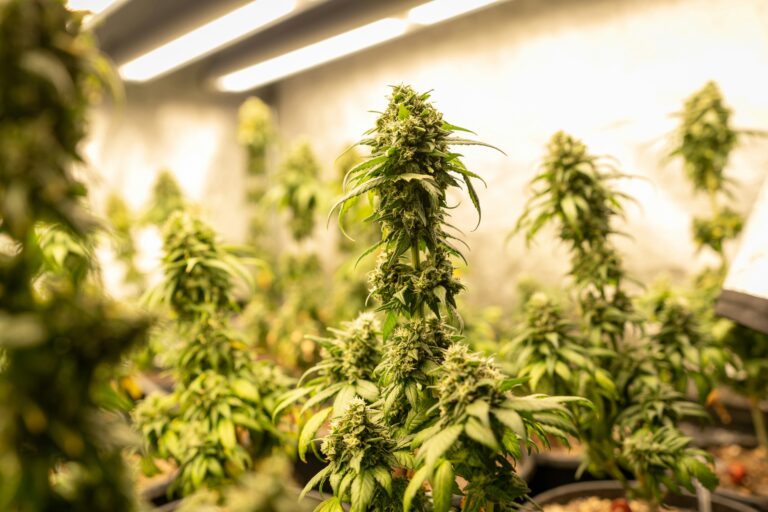
Cannabis is a complex plant with a unique biological structure.
Like many plants, cannabis produces specialized chemical compounds that contribute to its characteristics.
Scientists study different parts of the plant, including:
- Flowers
- Leaves
- Stems
- Seeds
- Resin-producing structures
One area of scientific interest is the plant’s trichomes.
What Are Cannabis Trichomes?
Trichomes are tiny structures found on cannabis plants that produce and store many of the plant’s chemical compounds.
These structures are especially important because they contain many cannabinoids and aromatic compounds.
Researchers study trichomes to better understand:
- Cannabinoid production
- Plant chemistry
- Genetic differences
- Environmental influences
Trichome development can vary between different cannabis varieties.
Marijuana vs Hemp: Understanding the Difference
A common source of confusion is the difference between marijuana and hemp.
Both come from the cannabis plant, but they are generally distinguished by differences in their chemical characteristics and legal definitions.
Hemp
Hemp is typically associated with cannabis varieties cultivated for industrial uses and specific regulatory classifications.
Historically, hemp has been used for:
- Fiber
- Textiles
- Paper
- Seeds
- Industrial materials
Marijuana
Marijuana generally refers to cannabis varieties that contain higher levels of THC.
Because THC is associated with psychoactive effects, marijuana is subject to different regulations depending on location.
The distinction between hemp and marijuana depends on scientific measurements and legal frameworks that vary across jurisdictions.
Understanding Cannabinoids
Cannabinoids are naturally occurring chemical compounds produced by cannabis plants.
Scientists have identified many different cannabinoids, each with unique properties.
Some of the most studied cannabinoids include:
THC (Tetrahydrocannabinol)
THC is one of the most well-known cannabinoids.
It is widely studied because of its interaction with the human body’s biological systems and its relationship with psychoactive effects.
Researchers examine THC in areas including:
- Chemistry
- Neuroscience
- Pharmacology
- Human biology
The effects and legal status of THC vary depending on many factors, including location and regulation.
CBD (Cannabidiol)
CBD is another major cannabinoid that has received significant scientific attention.
Unlike THC, CBD is not typically associated with the same psychoactive effects.
Researchers study CBD because of its:
- Chemical properties
- Biological interactions
- Potential research applications
CBD has become one of the most recognized cannabinoids in modern cannabis discussions.
Other Cannabinoids
Cannabis contains many additional cannabinoids that researchers continue studying.
Examples include:
- CBG (Cannabigerol)
- CBN (Cannabinol)
- CBC (Cannabichromene)
Scientists are continuing to investigate how these compounds differ and how they contribute to the overall chemistry of cannabis.
The Role of Terpenes in Cannabis
Terpenes are naturally occurring aromatic compounds found in many plants, including cannabis.
They contribute to the unique smells and characteristics associated with different plant varieties.
Terpenes are also found in:
- Herbs
- Fruits
- Flowers
- Trees
In cannabis research, scientists study terpenes because they are an important part of the plant’s chemical profile.
Common Cannabis Terpenes
Researchers have identified many different cannabis-associated terpenes.
Some commonly discussed examples include:
Myrcene
Myrcene is a terpene commonly found in cannabis and other plants.
It has been studied as part of cannabis chemistry research.
Limonene
Limonene is a citrus-associated terpene also found in many plants.
Scientists study its chemical properties across different botanical sources.
Pinene
Pinene is a terpene associated with pine trees and other plants.
Its presence in cannabis contributes to the plant’s complex aromatic profile.
Cannabis Research Today
Modern cannabis research covers many different scientific fields.
Researchers investigate:
- Plant genetics
- Cannabinoid chemistry
- Agricultural science
- Neuroscience
- Pharmacology
- Public health
- Regulation
The field continues developing as scientists gain access to more research opportunities and improved technology.
How Scientists Study Cannabis
Scientific cannabis research may involve several approaches.
Chemical Analysis
Researchers analyze cannabis compounds to understand:
- Cannabinoid concentrations
- Terpene profiles
- Plant chemistry
Genetics Research
Scientists examine cannabis genetics to understand differences between plant varieties.
Genetic research helps researchers study:
- Plant characteristics
- Growth patterns
- Chemical production
Laboratory Studies
Laboratory research allows scientists to examine specific compounds under controlled conditions.
This helps researchers understand individual components of the cannabis plant.
Cannabis History and Culture
Cannabis has a long and complex history.
Different cultures have interacted with cannabis in different ways throughout history.
Historical discussions often include:
- Agricultural uses
- Traditional practices
- Cultural symbolism
- Social movements
- Legal developments
Understanding cannabis history requires considering many perspectives and recognizing that attitudes toward the plant have changed significantly over time.
Cannabis and Modern Society
Today, cannabis remains an important topic in discussions involving:
- Science
- Policy
- Agriculture
- Culture
- Research
Different regions have developed different approaches to cannabis regulation.
Because laws vary widely, understanding local regulations is an important part of responsible cannabis education.
Common Misconceptions About Marijuana
Marijuana Is Just One Type of Plant
Reality:
Cannabis includes many different varieties with different chemical profiles.
Genetics and environmental conditions can influence plant characteristics.
All Cannabis Products Are the Same
Reality:
Cannabis products can differ significantly depending on:
- Plant genetics
- Processing methods
- Chemical composition
- Regulations
Cannabis Research Is Finished
Reality:
Cannabis science is still developing.
Researchers continue investigating unanswered questions about plant chemistry, biology, and human interactions.
The Importance of Responsible Cannabis Education
Responsible cannabis education means understanding information from reliable sources and recognizing both scientific findings and limitations.
A balanced approach considers:
- Research evidence
- Legal requirements
- Individual circumstances
- Public health information
- Scientific uncertainty
Education helps create more informed conversations about cannabis.
Cannabis Laws and Regulations
Cannabis laws vary significantly around the world.
Different governments have created different approaches regarding:
- Cultivation
- Possession
- Research
- Medical programs
- Commercial regulations
Because regulations change frequently, readers should consult official local sources for current legal information.
Seed to Stem Botanicals provides educational information and does not provide legal advice.
The Future of Cannabis Research
Cannabis research continues expanding as scientists explore new areas of understanding.
Future research may provide additional insights into:
- Plant genetics
- Cannabinoid chemistry
- Agricultural improvements
- Environmental sustainability
- Scientific applications
As technology advances, researchers will continue learning more about this complex plant.
Why Understanding Cannabis Science Matters
Cannabis represents an intersection between nature, science, culture, and society.
Studying cannabis helps researchers explore:
- Plant biology
- Chemical compounds
- Agricultural systems
- Human interactions with plants
- Historical relationships between people and nature
A scientific understanding allows discussions about cannabis to move beyond assumptions and focus on evidence.
Conclusion: Exploring Marijuana Through Science and Education
Marijuana is a complex botanical subject that involves plant science, chemistry, history, research, and culture.
Understanding cannabis requires looking at the entire picture:
- The biology of the plant
- The role of cannabinoids
- The importance of terpenes
- Scientific research
- Cultural and legal contexts
Seed to Stem Botanicals aims to provide clear and balanced educational content that helps readers better understand cannabis and the science behind this fascinating plant.
Through continued research and responsible education, our understanding of cannabis will continue to evolve.
Author Bio
Ann Nichols
Ann Nichols writes for Seed to Stem Botanicals, covering cannabis science, plant biology, cannabinoid research, botanical education, and natural ingredient topics. Her goal is to provide clear, balanced information that helps readers better understand the relationship between plants, science, and modern botanical research.